Yes or No Tarot Reading — Direct Answers
Sometimes you need a straight answer. The yes no tarot technique gives you one — based on card orientation, suit energy, and the card's natural meaning. No complex spreads, no lengthy interpretation. Just a clear signal.
How Yes or No Tarot Readings Work
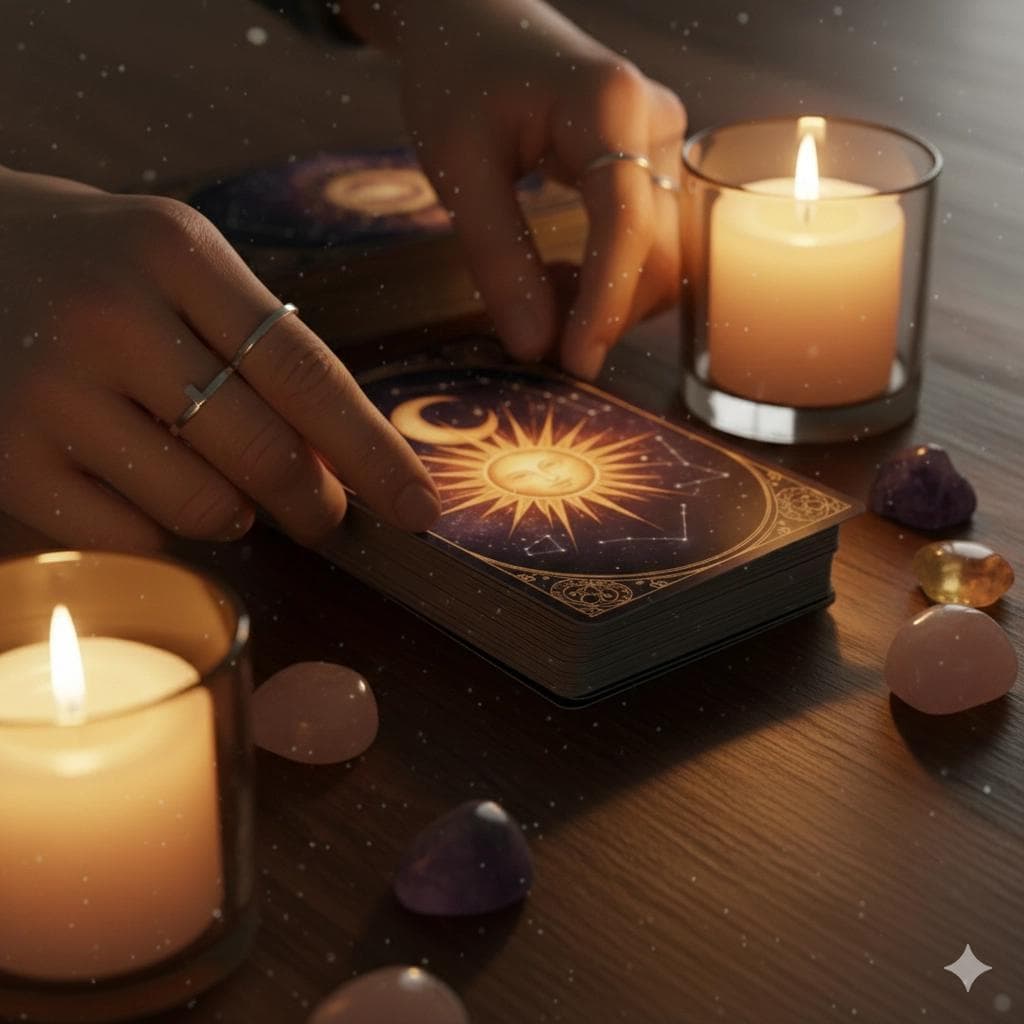
The yes or no reading method is simple: you ask a question that has a yes or no answer, draw one card, and use its orientation and energy to determine the response.
Upright cards lean toward Yes. Reversed cards lean toward No. But the card itself matters too — some cards carry naturally positive energy (The Sun = strong yes) while others carry cautionary energy (The Tower = strong no) regardless of orientation.
This tarot yes no technique works best for clear, specific questions. "Should I apply for this job?" gives a useful answer. "What about my career?" is too vague for yes no tarot — use a Three Card Spread for open-ended questions.
The Yes/No Method — Step by Step
Step 1: Ask a Clear Question
Frame your question so it can be answered with yes or no. Be specific:
- "Should I accept the job offer from Company X?"
- "Is it a good time to start this project?"
Avoid vague questions like "What should I do about my career?" or "Will everything work out?" — these need a spread, not a yes/no pull.
Step 2: Draw One Card
Shuffle your deck while holding the question in mind. Draw one card and note whether it's upright or reversed.
Step 3: Read the Answer
Use these three factors together:
Factor 1 — Orientation:
- Upright = leans Yes
- Reversed = leans No
Factor 2 — Card Energy:
- Naturally positive cards (The Sun, Ace of Cups, The Star) strengthen a Yes
- Naturally challenging cards (The Tower, Ten of Swords, Five of Cups) strengthen a No
- Neutral cards (The High Priestess, Two of Swords) mean "not yet" or "more information needed"
Factor 3 — Suit Energy:
- Wands and Cups tend toward Yes (active energy, emotional flow)
- Swords tend toward No or "think carefully" (mental tension)
- Pentacles tend toward "Yes, but slowly" (grounded, patient energy)
Quick Yes/No Guide by Card Type
Strong Yes Cards
- The Sun — Clear yes. Joy, success, positive outcome.
- The Star — Yes. Hope, renewal, things are aligning.
- The World — Yes. Completion, achievement, everything falling into place.
- Ace of Cups — Yes. New emotional beginning, love, abundance.
- Ace of Wands — Yes. New inspiration, creative energy, go for it.
- Four of Wands — Yes. Celebration, stability, good foundation.
- Ten of Cups — Yes. Emotional fulfillment, happiness.
Strong No Cards
- The Tower — No. Disruption, instability, not the right time.
- Ten of Swords — No. Ending, defeat, let this go.
- Five of Cups — No. Loss, regret, focus on what's still standing.
- Three of Swords — No. Heartbreak, pain, not aligned.
- The Devil — No. Unhealthy attachment, you're not seeing clearly.
"Wait" or "Maybe" Cards
- The High Priestess — Wait. Hidden information, trust your intuition, not all is revealed.
- The Hanged Man — Wait. Pause, surrender, the timing isn't right yet.
- Two of Swords — Undecided. You need more information before choosing.
- The Moon — Unclear. Illusions or confusion are present. Revisit the question later.
- Seven of Cups — Unclear. Too many options, you haven't narrowed down what you want.
Three Card Yes/No (For More Clarity)
If a single card feels ambiguous, draw three cards instead:

- Card 1 — The core answer (yes/no/wait)
- Card 2 — The reason behind the answer
- Card 3 — What to keep in mind
Count the upright vs reversed cards:
- 3 upright = Strong yes
- 2 upright, 1 reversed = Likely yes, with a condition
- 1 upright, 2 reversed = Likely no, or not yet
- 3 reversed = Strong no, or wrong question
This gives you a direct answer plus context — the best of both worlds.
Tips for Better Yes/No Readings
Be Specific
"Should I take this job?" is clear. "Should I take this job and will it make me happy and should I also move cities?" is three questions. Split them up.
Accept the Answer
If you get a "No" and immediately pull again hoping for "Yes," the second pull isn't trustworthy. Accept the first answer and sit with it before asking again.
Know the Limits
Yes/No readings work for specific decisions. For complex situations with many factors, use a Celtic Cross or Three Card Spread instead.
How to Do a Yes No Tarot Reading
Frame Your Question
Write a question with a yes or no answer. Be specific: who, what, when. "Should I apply for the position at [company] this week?" is better than "Will my career improve?"
Draw One Card
Shuffle with your question in mind. Draw a single card and note its orientation (upright or reversed).
Read the Answer
Check three things: orientation (upright = yes, reversed = no), the card's natural energy (positive, negative, or neutral), and the suit energy. Combine them for your answer.
If Unclear, Draw Two More
If the first card is ambiguous (High Priestess, Moon, Two of Swords), draw two more cards for a three-card yes/no. Count upright vs reversed for the majority answer, and read Card 2 and 3 for context.
Frequently Asked Questions
Is tarot accurate for yes no questions?
Tarot gives useful signals, not guaranteed predictions. The yes no tarot technique works well for decision-making — it reflects the energy around your question. Treat it as one input alongside your own judgement, not as an absolute answer.
What if my card is neither clearly yes nor no?
Some cards are genuinely ambiguous — The High Priestess, The Moon, Two of Swords. These "wait" cards mean you don't have enough information yet. Sit with the question, gather more facts, and revisit it in a few days.
Can I ask the same yes/no question multiple times?
Not in the same sitting. If you keep pulling until you get the answer you want, the readings lose meaning. Ask once, accept the answer, and wait at least a day before revisiting the same question.
Does the yes/no technique work with any tarot deck?
Yes. The method is based on orientation (upright/reversed) and card energy, which applies across all standard 78-card decks. The imagery may differ, but the underlying meanings stay consistent.
What about cards that fell out of the deck while shuffling?
Many readers consider "jumper" cards significant. If a card falls out while you're shuffling your yes/no question, it's worth reading. Treat it as your answer — the deck is giving it to you without waiting for a formal draw.
Is a yes/no reading better than asking a friend?
Different tools for different things. Tarot helps you access your own intuition and see patterns you might overlook. A friend brings their own perspective and experience. Use both when the question matters.