Astrology — Zodiac Signs, Birth Charts
Discover how celestial bodies shape your personality, relationships, and life path. Celesties brings you comprehensive astrology guides to understand the cosmic forces influencing your journey.
What is Astrology?
Astrology is the ancient practice of studying celestial bodies — the Sun, Moon, planets, and stars — to understand their influence on human life and earthly events. For thousands of years, civilizations have looked to the skies for guidance, timing, and self-understanding.
At Celesties, we believe astrology offers valuable insights for:
- Self-discovery — Understanding your strengths, challenges, and life purpose
- Relationships — Compatibility insights and communication patterns
- Timing — Optimal moments for decisions and new beginnings
- Personal growth — Working with cosmic energies for transformation
The History of Astrology
Astrology began in ancient Babylon around 2000 BCE, where priests tracked celestial movements to predict seasonal floods and agricultural cycles. These early astronomers noticed patterns between planetary positions and earthly events, creating the foundation for Western astrology.
The practice spread to Greece around 300 BCE, where it transformed into personal horoscopy — reading individual birth charts rather than just predicting collective events. Ptolemy's Tetrabiblos (2nd century CE) systematized astrological principles that still guide practice today: the zodiac wheel, planetary rulerships, aspects, and houses.
During the medieval and Renaissance periods, astrology merged with medicine, philosophy, and politics. Royal courts employed astrologers for counsel on timing wars, marriages, and coronations. Islamic scholars preserved and expanded Greek texts, adding mathematical precision to chart calculation.
The Scientific Revolution of the 17th century separated astronomy from astrology, pushing astrological practice to the margins. But in the 20th century, psychological astrology emerged through pioneers like Dane Rudhyar and Liz Greene, who reframed planets and signs as archetypal symbols for inner growth rather than fatalistic predictions. This approach — blending Carl Jung's psychology with traditional astrology — remains dominant today.
Modern astrology balances ancient wisdom with contemporary psychological insight. It's not about predicting fate but understanding the energetic patterns at play in your life.
How Astrology Works
Astrology operates on the principle "as above, so below" — the Hermetic idea that celestial movements mirror patterns in human experience. It's not that planets cause events, but that they reflect archetypal energies unfolding in time.
Carl Jung called this synchronicity: meaningful coincidences that connect inner and outer worlds. When Mars enters Aries, astrology doesn't claim the planet creates aggression — it observes that Martian themes (conflict, courage, assertiveness) become more visible in collective and personal life during that transit.
Planets act as archetypal symbols. The Sun represents identity and purpose. The Moon reflects emotion and instinct. Saturn brings structure and boundaries. Each planet carries a theme, and its position in your birth chart shows where and how that theme plays out in your life.
Astrology gives language to invisible patterns. It won't tell you what will happen, but it can illuminate what energies are active — helping you make conscious choices instead of reacting blindly to circumstances.
The 12 Zodiac Signs
Fire Signs
Element: Fire
Quality: Action & Passion
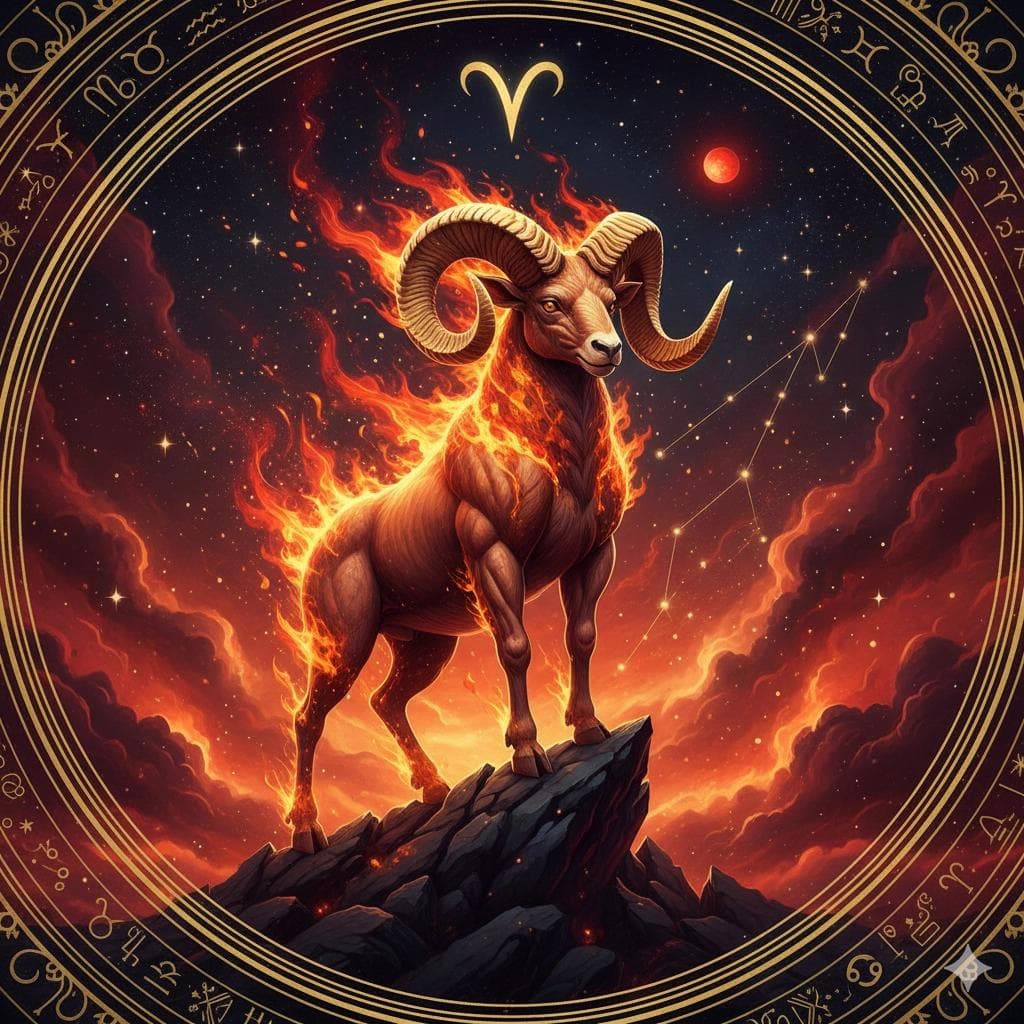
Aries
Bold, ambitious, energetic. The Pioneer who leads with courage and initiates action.
Fire · Mar 21 - Apr 19 · Mars
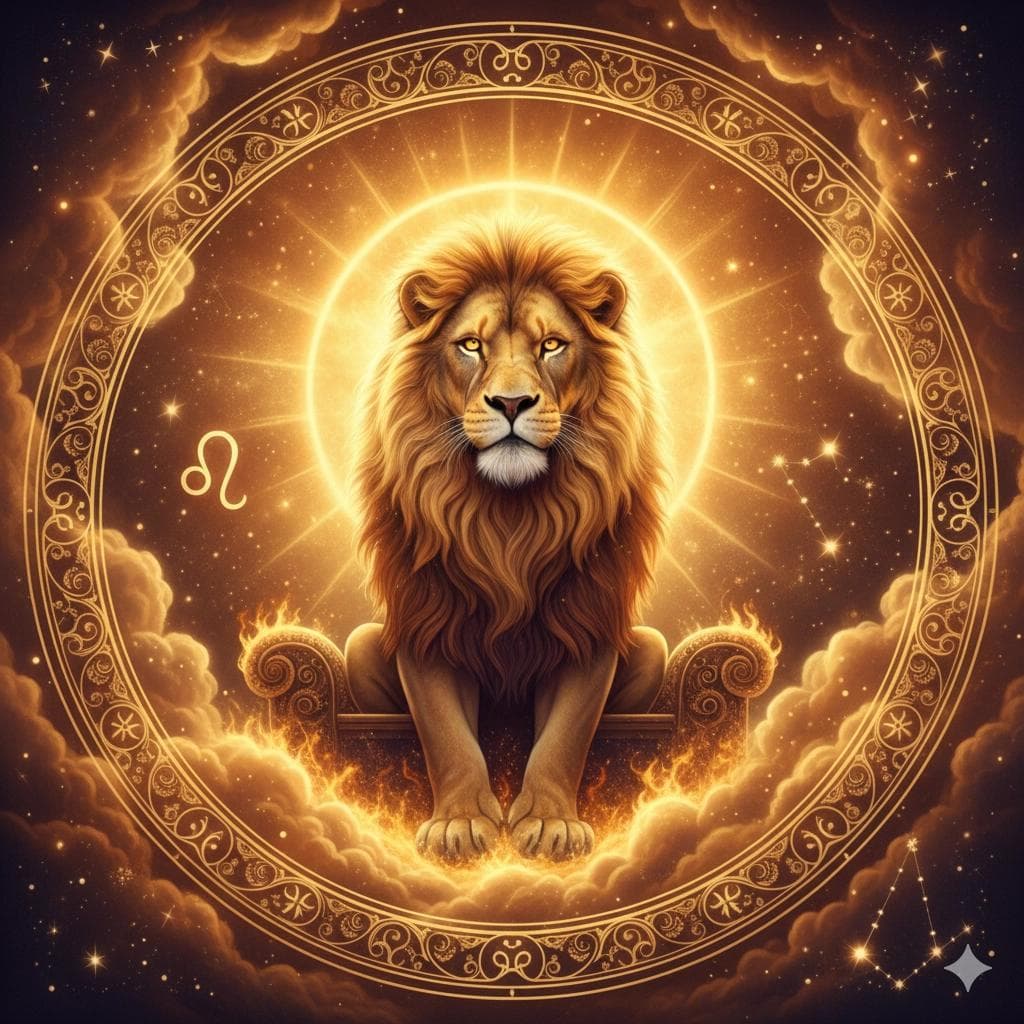
Leo
Confident, creative, generous. The Performer who shines with warmth and self-expression.
Fire · Jul 23 - Aug 22 · Sun
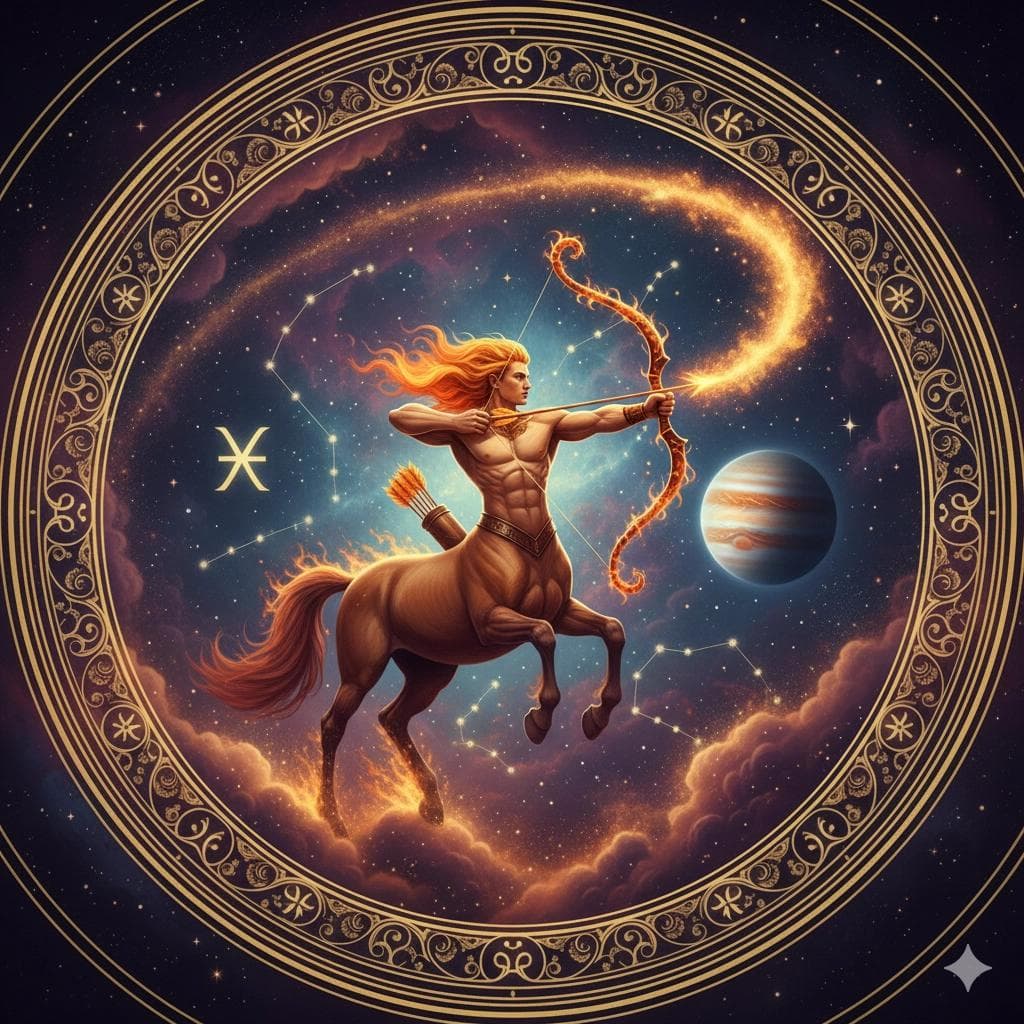
Sagittarius
Adventurous, optimistic, honest. The Explorer who seeks truth and expansion.
Fire · Nov 22 - Dec 21 · Jupiter
Earth Signs
Element: Earth
Quality: Stability & Practicality
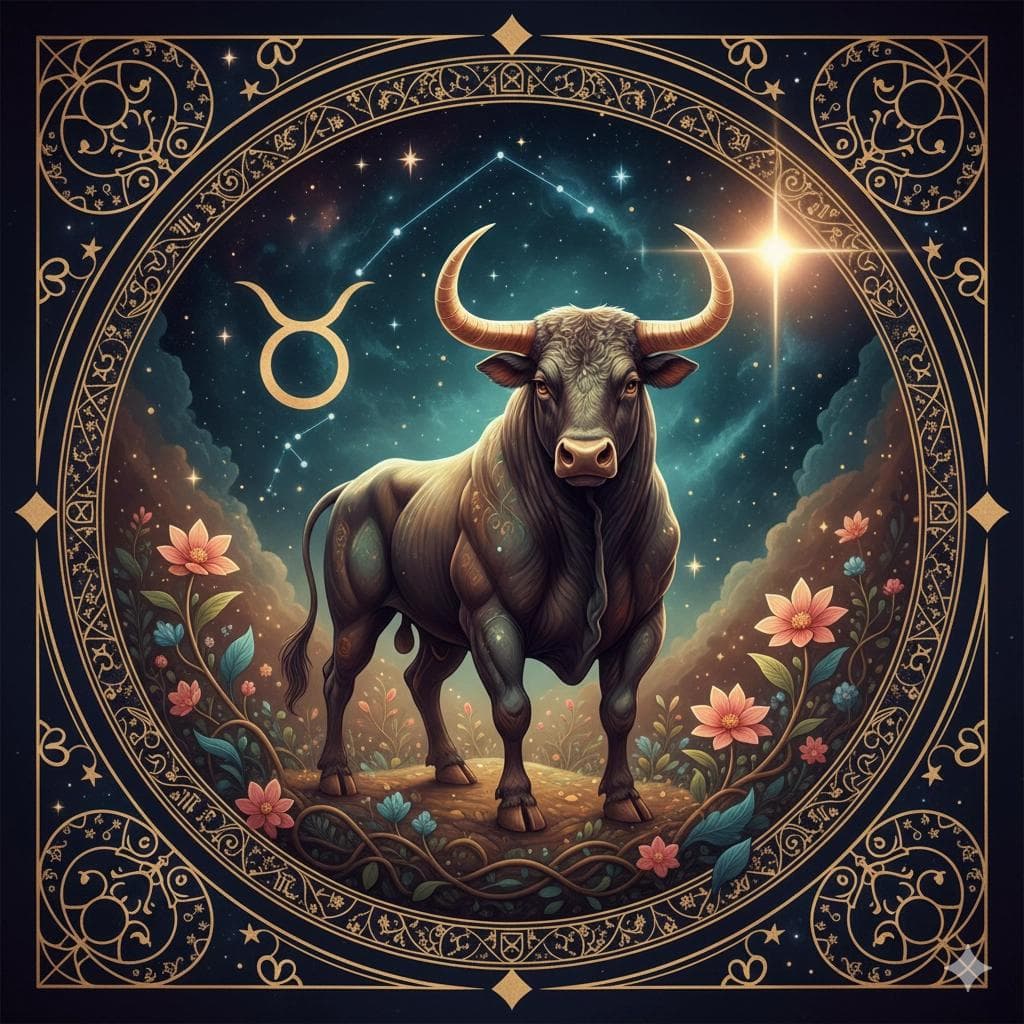
Taurus
Patient, reliable, sensual. The Builder who creates lasting foundations and values stability.
Earth · Apr 20 - May 20 · Venus
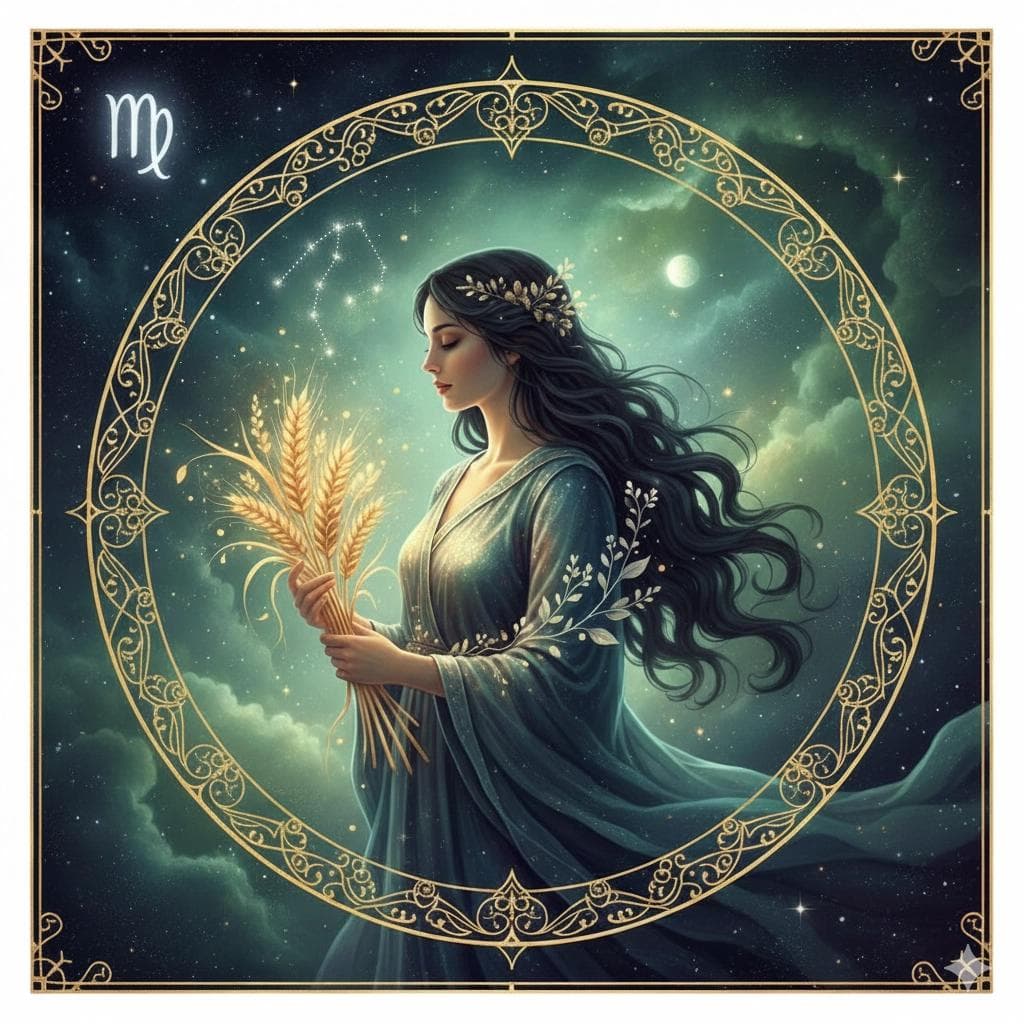
Virgo
Analytical, practical, helpful. The Analyst who refines and perfects through service.
Earth · Aug 23 - Sep 22 · Mercury
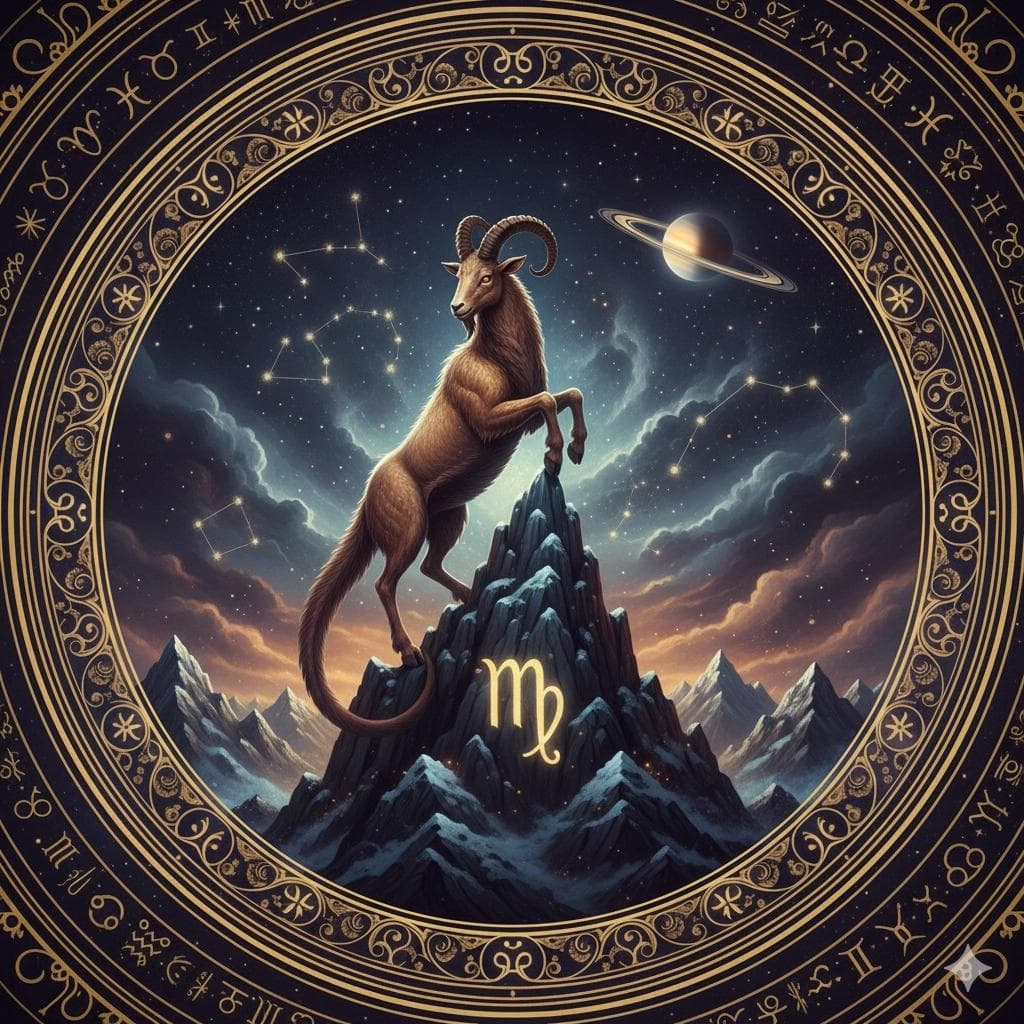
Capricorn
Disciplined, ambitious, responsible. The Achiever who climbs toward mastery and success.
Earth · Dec 22 - Jan 19 · Saturn
Air Signs
Element: Air
Quality: Intellect & Communication
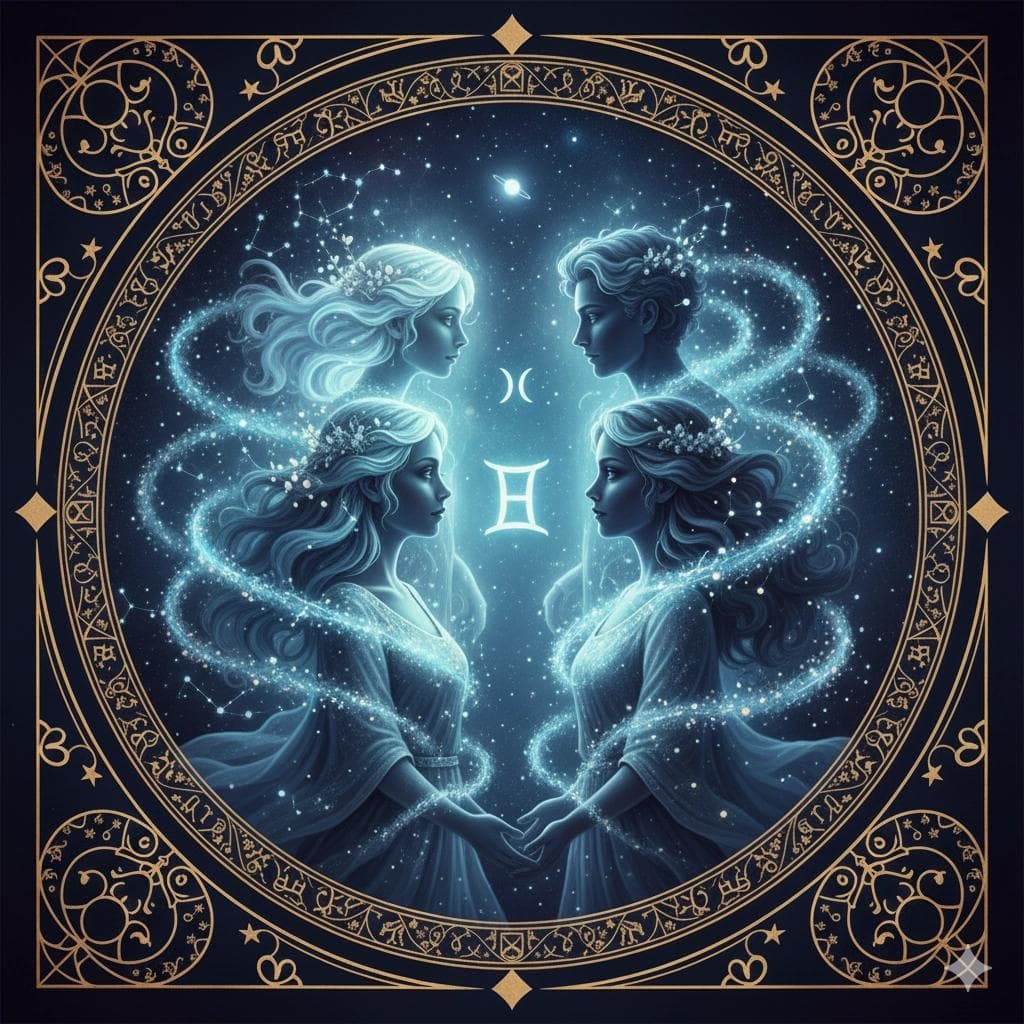
Gemini
Curious, adaptable, witty. The Communicator who connects ideas and people.
Air · May 21 - Jun 20 · Mercury
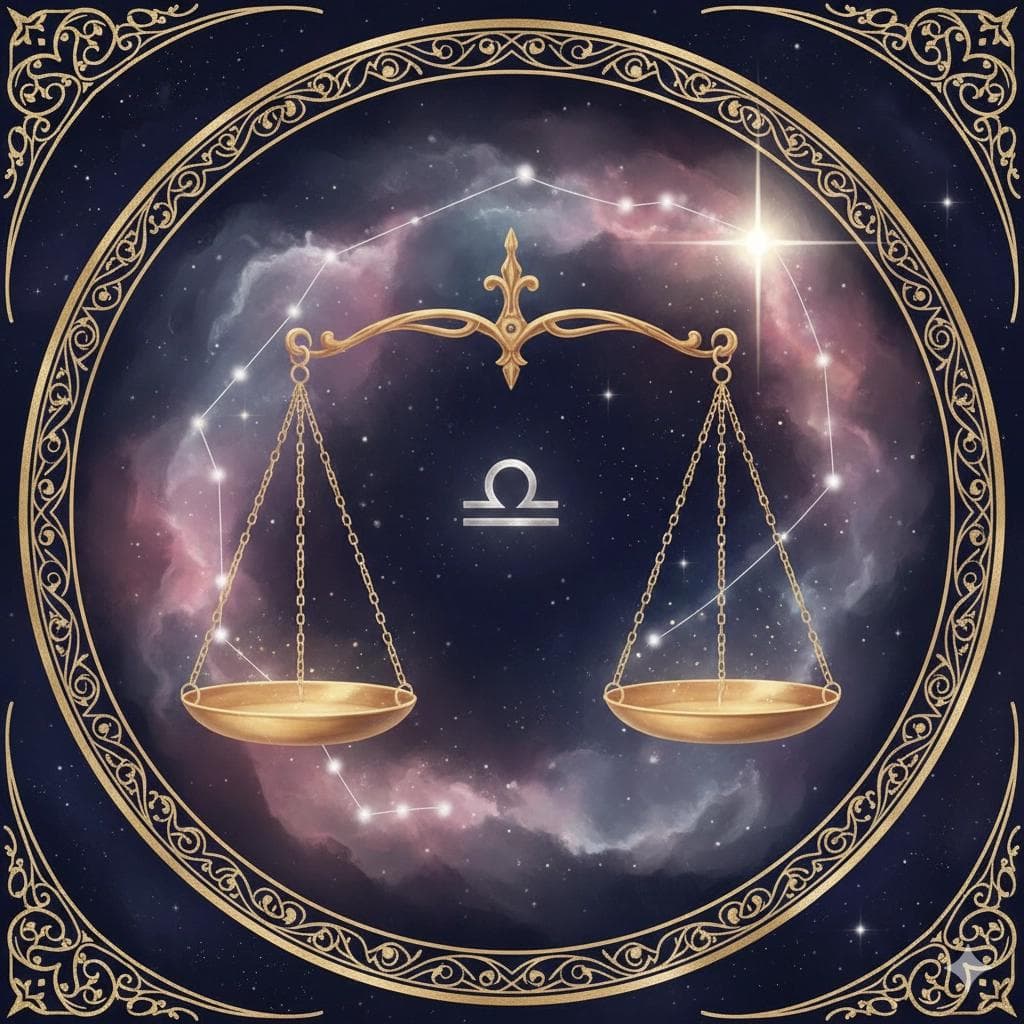
Libra
Diplomatic, fair, romantic. The Harmonizer who balances relationships and aesthetics.
Air · Sep 23 - Oct 22 · Venus
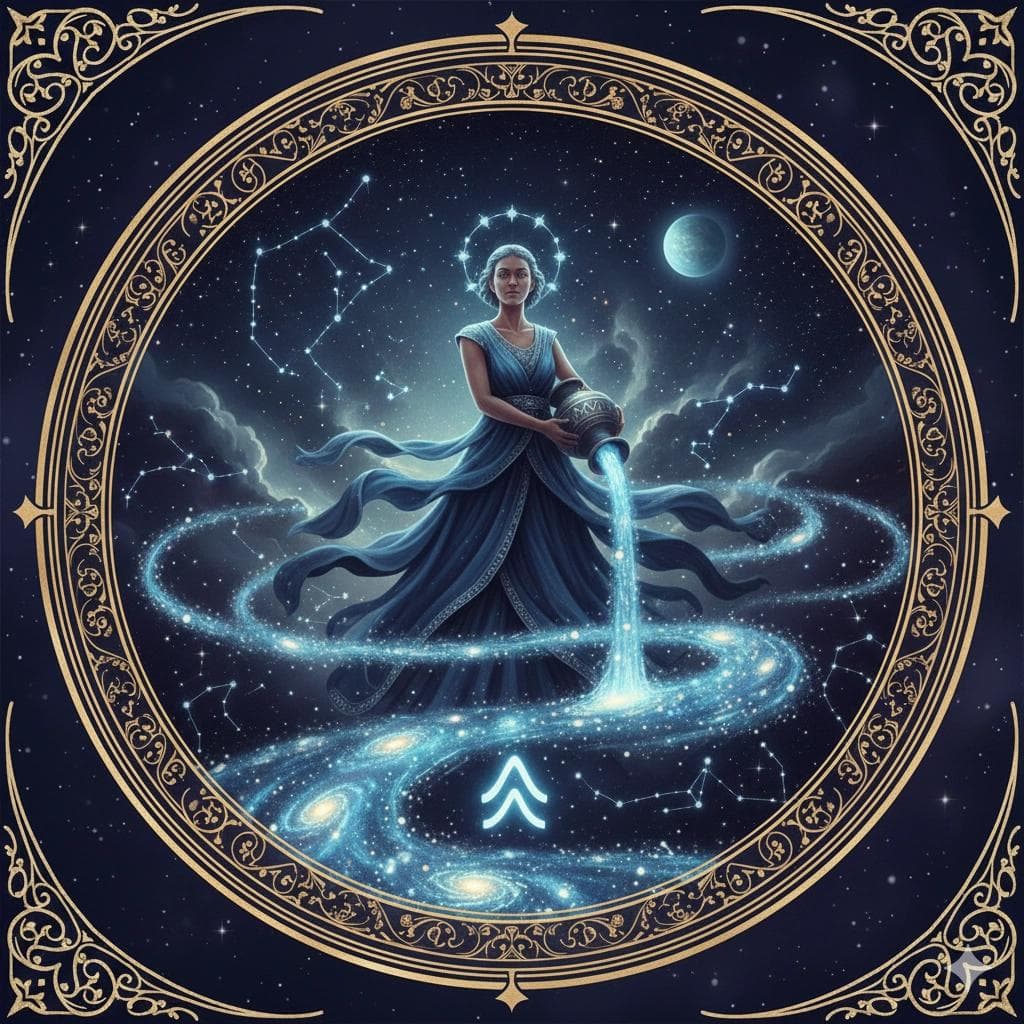
Aquarius
Independent, innovative, humanitarian. The Visionary who champions progress and community.
Air · Jan 20 - Feb 18 · Uranus
Water Signs
Element: Water
Quality: Emotion & Intuition
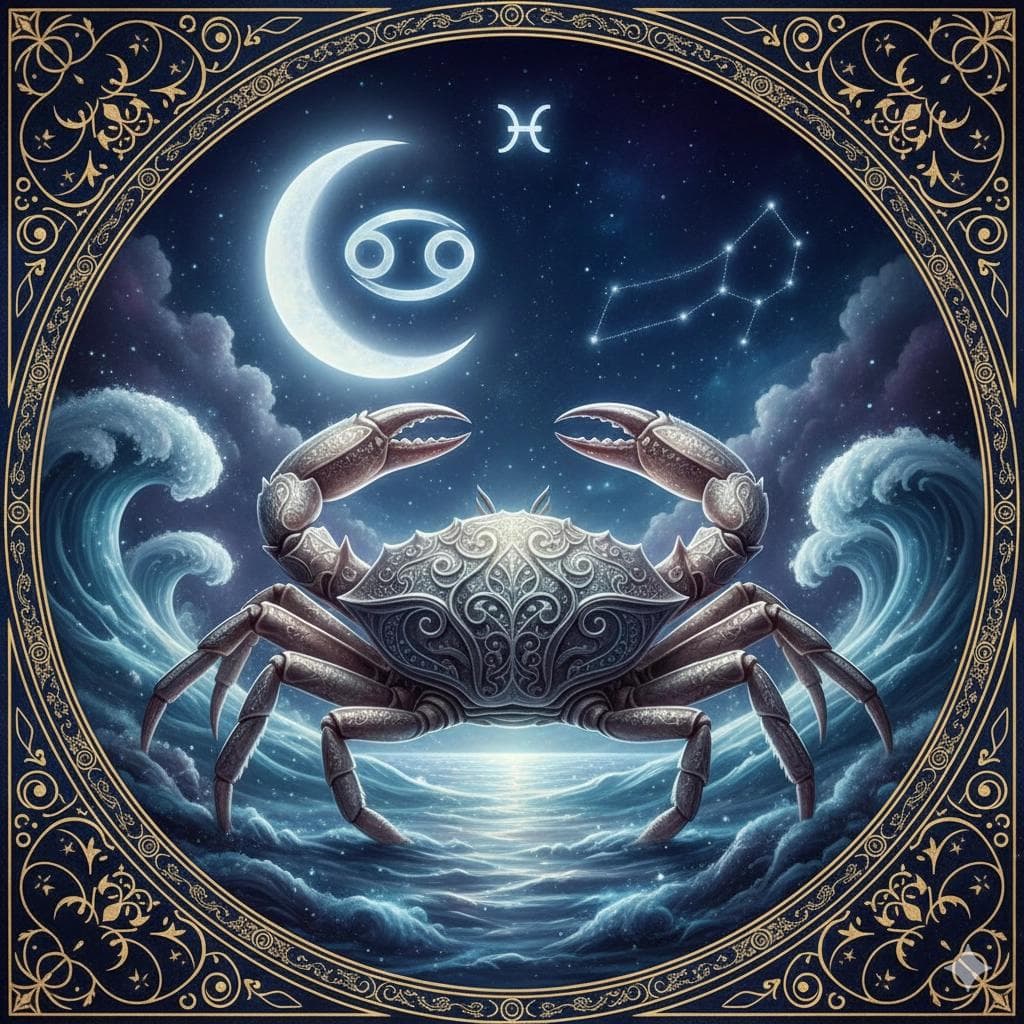
Cancer
Nurturing, intuitive, protective. The Nurturer who cares deeply and creates emotional safety.
Water · Jun 21 - Jul 22 · Moon
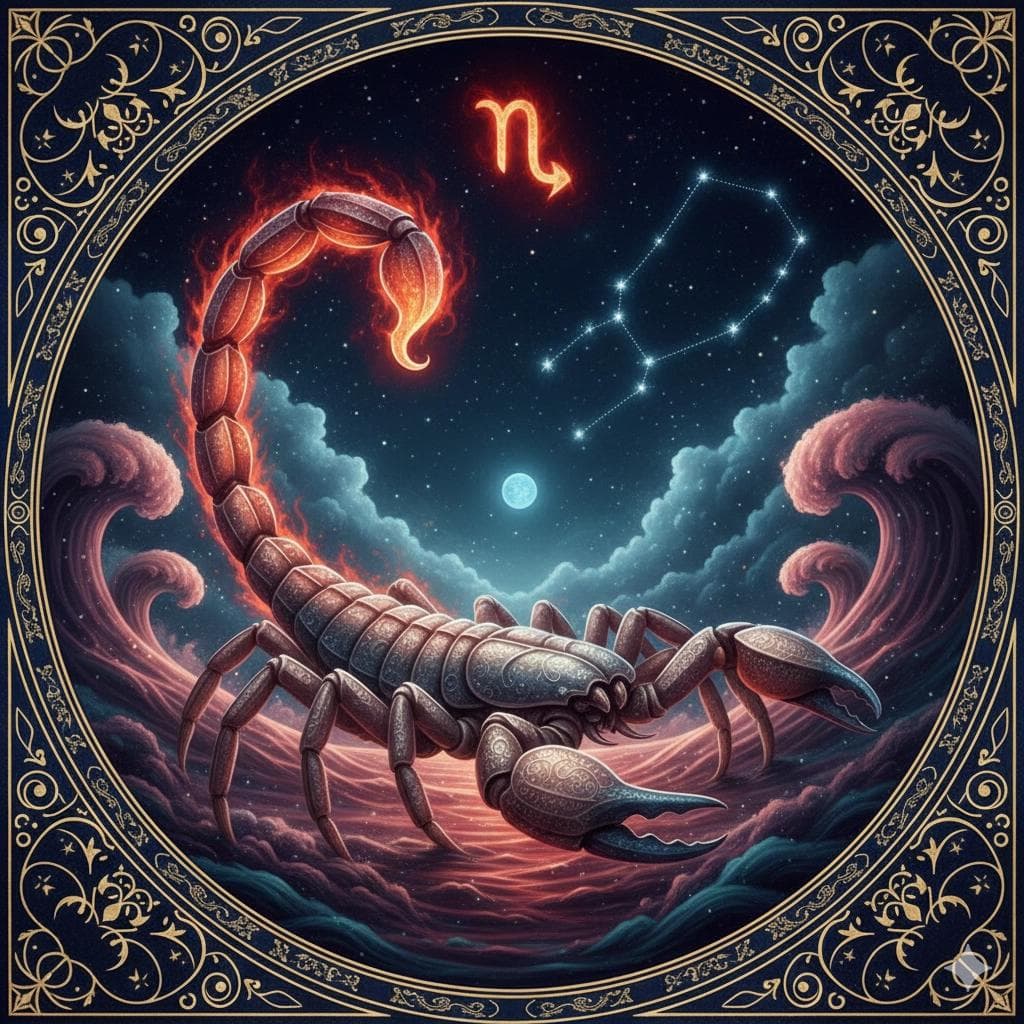
Scorpio
Intense, passionate, perceptive. The Transformer who dives deep and regenerates.
Water · Oct 23 - Nov 21 · Pluto
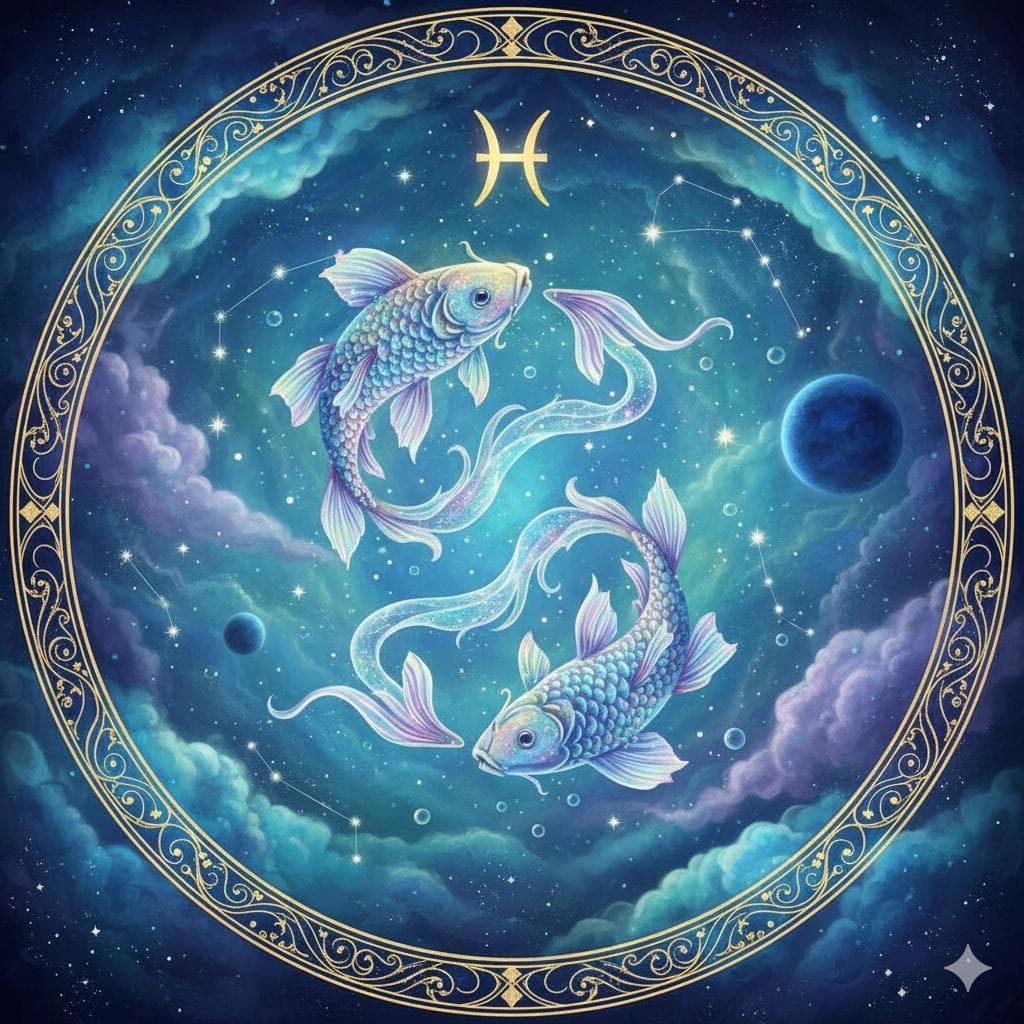
Pisces
Intuitive, compassionate, artistic. The Dreamer who flows with empathy and imagination.
Water · Feb 19 - Mar 20 · Neptune
Your Birth Chart — A Cosmic Blueprint
Your birth chart (natal chart) is a map of the sky at the exact moment you were born. It reveals your unique cosmic DNA — the positions of the Sun, Moon, and planets across the 12 zodiac signs and houses.
Key Components:
- Sun Sign — Your core identity and ego
- Moon Sign — Your emotional nature and inner self
- Rising Sign (Ascendant) — How others perceive you
- Planetary Positions — Specific life areas and energies
- Houses — 12 life domains from self to spirituality
- Aspects — Relationships between planets
Understanding your full birth chart goes far beyond your Sun sign, offering a complete picture of your cosmic makeup.
The Planets and Their Meanings
Each planet governs specific aspects of life and personality:
| Planet | Rules | Influences |
|---|---|---|
| Sun | Leo | Identity, ego, vitality, life purpose |
| Moon | Cancer | Emotions, instincts, habits, mother |
| Mercury | Gemini, Virgo | Communication, thinking, learning |
| Venus | Taurus, Libra | Love, beauty, values, relationships |
| Mars | Aries | Action, drive, passion, conflict |
| Jupiter | Sagittarius | Expansion, luck, wisdom, growth |
| Saturn | Capricorn | Structure, discipline, karma, lessons |
| Uranus | Aquarius | Innovation, rebellion, sudden change |
| Neptune | Pisces | Dreams, intuition, spirituality, illusion |
| Pluto | Scorpio | Transformation, power, rebirth |
More from Celesties
Tarot Cards & Readings
Explore all 78 tarot cards, spreads, and guided readings. Tarot and astrology share deep connections through zodiac and planetary associations.
Numerology
Your birth date holds numerical patterns too. Life path numbers, destiny numbers, and how numbers connect to your astrological chart.
Daily Horoscopes
Get daily, weekly, and monthly horoscopes for your zodiac sign. Practical forecasts based on current planetary positions.
How to Start Learning Astrology
Know Your Big Three
Start with your Sun, Moon, and Rising signs. These form the foundation of your astrology identity. Your birth chart shows all three.
Explore Your Zodiac Sign
Learn everything about your Sun sign — traits, strengths, challenges, and compatibility. All 12 zodiac signs have unique characteristics.
Generate Your Birth Chart
Get your complete natal chart to see all planetary positions at your birth. Free birth chart calculators show your full astrology chart.
Study the Planets
Learn what each planet represents and how its position affects you. Understanding planetary influences deepens your astrology practice.
Frequently Asked Questions
What's the difference between astrology and horoscopes?
Astrology is the complete system of studying celestial influences. Horoscopes are simplified predictions based on Sun signs. Your full birth chart offers much deeper insights than daily horoscopes.
Is astrology scientifically proven?
Astrology is not a science but a symbolic language and interpretive art practiced for thousands of years. Many find it valuable for self-reflection and personal insight, regardless of scientific validation.
Why do I need my birth time for a chart?
Your birth time determines your Rising sign (Ascendant) and house placements, which are crucial for an accurate reading. Without exact time, some chart elements remain unknown.
Can astrology predict the future?
Astrology identifies patterns, tendencies, and optimal timing rather than fixed predictions. It shows potential energies at play, but free will always determines outcomes.
What if I don't relate to my Sun sign?
Your Sun sign is just one piece of your chart. Your Moon sign, Rising sign, and other planetary placements may resonate more strongly. Explore your full birth chart for a complete picture.
What's the difference between tropical and sidereal astrology?
Tropical astrology (used in Western astrology) bases the zodiac on Earth's seasons, starting with Aries at the spring equinox. Sidereal astrology (used in Vedic astrology) aligns with actual constellation positions in the sky. Most Western astrology uses tropical, which focuses on seasonal and symbolic meaning rather than star alignment.