Suit of Swords — Thought, Conflict, and the Consequences of Words
Swords is the suit of air — the mind, decisions, communication, and the sharp edge of truth. These cards are the most challenging in the deck because they deal honestly with difficulty: conflict, loss, mental struggle, and the price of clarity.
What the Swords Suit Represents
Swords cards govern the mental dimension of experience — how you think, what you decide, what you say and what is said to you, and the conflicts that arise from all of these. The air element gives them their character: sharp, fast, cutting through illusion, sometimes painfully honest. When Swords appear, the situation involves the mind as the primary force — reasoning, judgment, or the consequences of communication.
In a spread, Swords ask: what are you thinking? What decision is in front of you? What are you saying — and what isn't being said? The suit doesn't soften difficulty. The Three of Swords is grief delivered by words or circumstance; the Eight of Swords is mental self-imprisonment; the Ten of Swords is a painful but definitive ending. Swords readings are often the most useful precisely because they refuse to look away from what's actually happening.
How Numbers Tell the Swords Story
Each number in the Swords suit carries a consistent meaning that builds from clarity through conflict to resolution:
Ace — The Clarity of Truth
The Ace of Swords is raw mental clarity — a breakthrough, a moment of seeing something exactly as it is. It can cut through confusion or cut into something tender. Either way, it's honest.
Two and Three — Difficult Choices and Grief
The Two of Swords is avoidance: blindfolded, arms crossed, refusing to choose. The Three of Swords is heartbreak — three swords through a heart in a stormy sky. Loss delivered by words or circumstances.
Four and Five — Rest and Conflict
The Four of Swords is necessary rest after conflict — the mind taking the retreat it needs. The Five of Swords is win-lose conflict: someone has won, but at a cost to everyone involved.
Six and Seven — Moving On and Strategy
The Six of Swords is leaving turbulent water for calmer ground — transition away from difficulty. The Seven of Swords is strategy, stealth, or deception — taking what you can and moving quietly.
Eight, Nine, Ten — Entrapment, Anxiety, and Ending
The Eight of Swords is self-imposed mental entrapment — the bonds are partially imaginary. The Nine of Swords is the 3am anxiety spiral, the mind torturing itself. The Ten of Swords is a painful ending — but also, definitively, the end of what was causing pain.
The Swords Court Cards
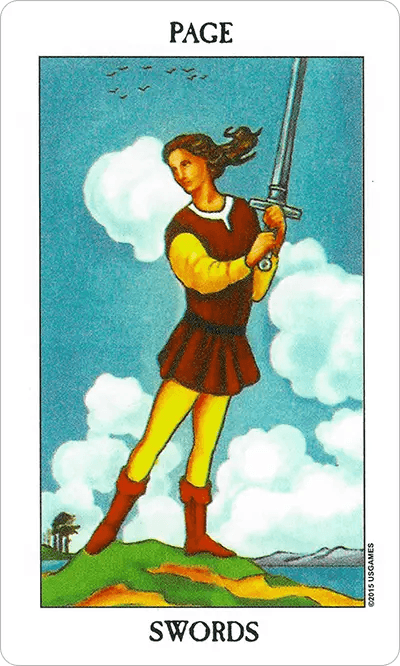
Page of Swords
Alert, curious, and quick-minded. The Page of Swords brings sharp observation and a hunger for information — sometimes before knowing what to do with it.
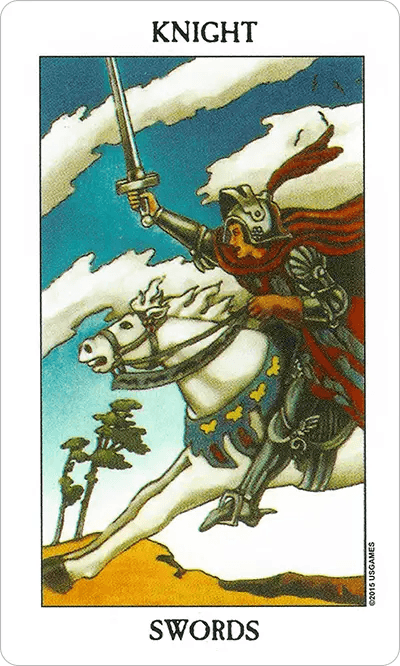
Knight of Swords
Fast, direct, and sometimes reckless. The Knight of Swords charges toward the truth — or conflict — without pausing to consider consequences.
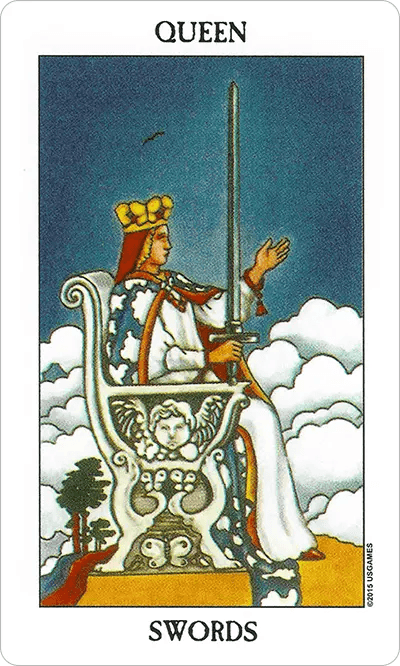
Queen of Swords
Perceptive, honest, and unsentimental. The Queen of Swords sees clearly and speaks directly — her clarity can feel sharp, but it's always accurate.
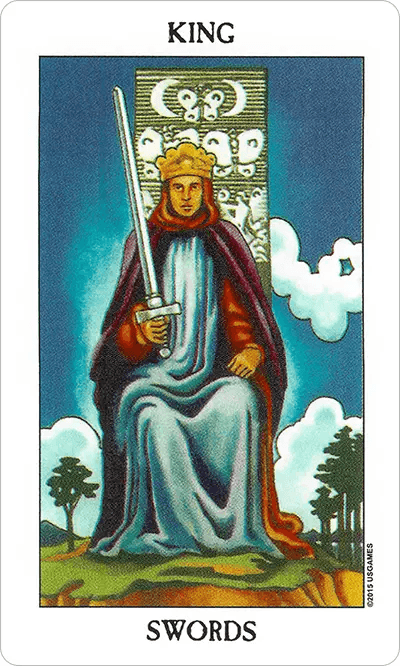
King of Swords
Authoritative, precise, and intellectually commanding. The King of Swords applies reason to any situation with fairness and without distortion.
Three Key Swords Cards
These three cards appear frequently in readings and carry some of the clearest, most distinct meanings in the suit:
The Three of Swords
The most visually direct grief card in the deck. Three swords pierce a heart against a stormy sky. It means loss, heartbreak, or pain delivered by words — from someone else or from a truth you had to face. It doesn't predict permanent damage; it names the hurt honestly.
The Eight of Swords
A blindfolded figure stands bound by swords stuck in the ground around her. The swords aren't touching her — she could walk away. This card captures mental self-entrapment: the conviction that there's no way out when, in fact, the constraint is partly internal.
The Ten of Swords
Ten swords in a fallen figure's back. It's a dramatic image, but its message is specific: this particular chapter is over. The Ten of Swords is a painful ending — but also a definitive one. What's finished is finished, which means something new can begin.
What It Means When Your Reading Is Mostly Swords
A Swords-heavy reading points to a situation where the mind is the primary territory — thinking, deciding, communicating, or experiencing conflict. Whatever the surface question, the real dynamic involves how ideas and words are shaping events.
Mostly Swords can also mean:
- A decision is at the center, even if you've been avoiding framing it that way
- Conflict — internal or external — is the dominant energy in the situation
- Something needs to be said, or something that was said is still unresolved
- Mental patterns (anxiety, overthinking, self-criticism) are influencing the situation more than circumstances are
When Swords are completely absent from a reading involving decisions or conflict, the situation may be more emotional or practical than mental — or the intellectual dimension has already been resolved.
All 14 Swords Cards
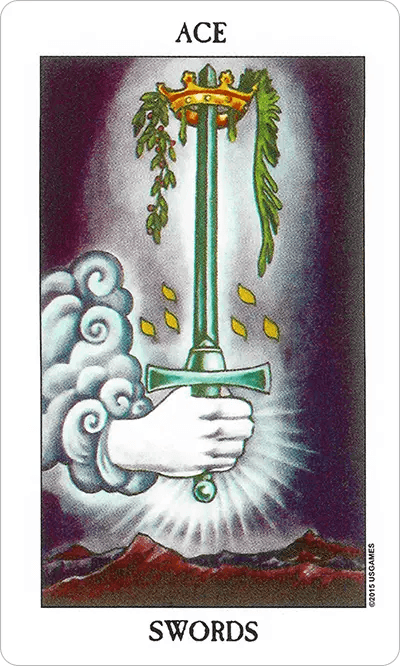
Ace of Swords
Clarity, breakthrough, truth
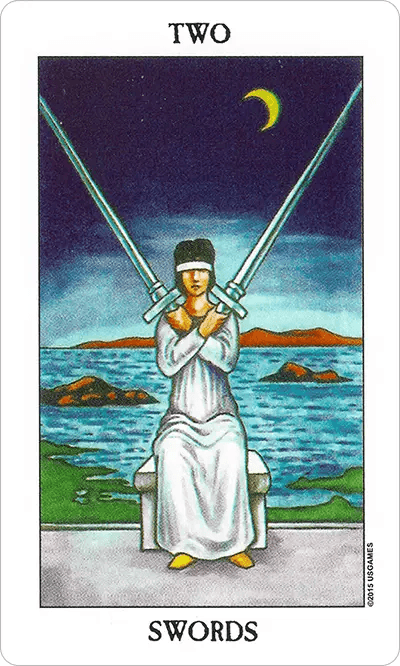
Two of Swords
Indecision, stalemate, denial
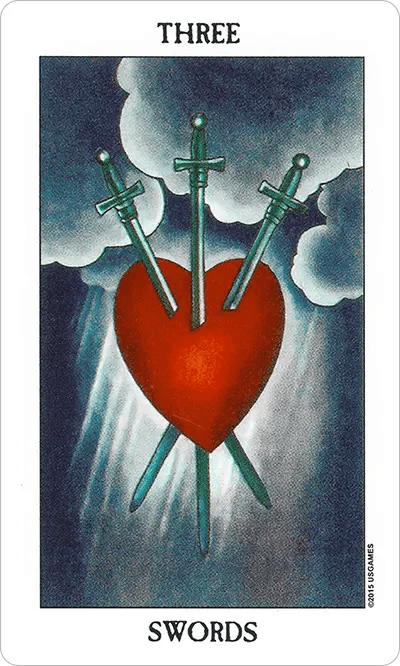
Three of Swords
Heartbreak, sorrow, painful truth
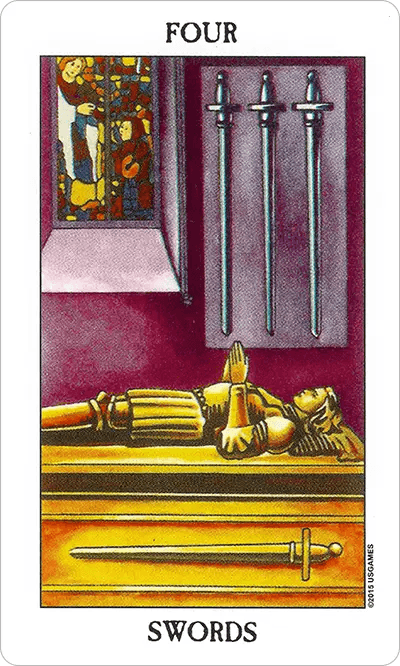
Four of Swords
Rest, recovery, contemplation
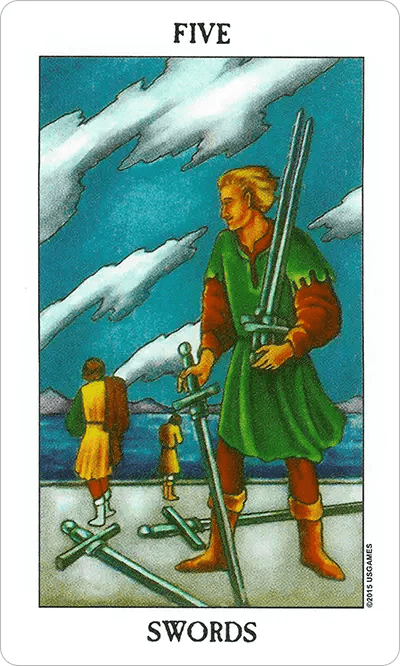
Five of Swords
Conflict, defeat, betrayal
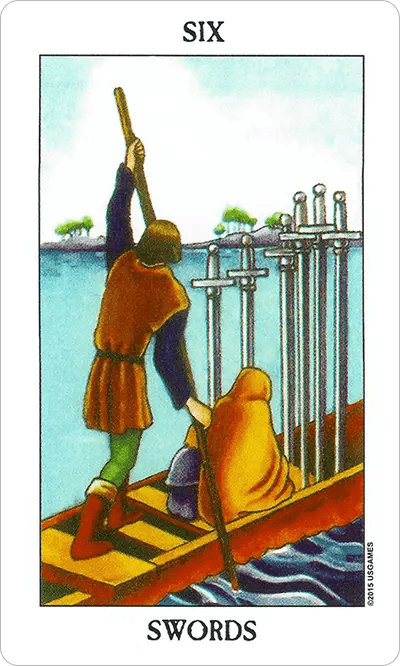
Six of Swords
Transition, moving on, healing
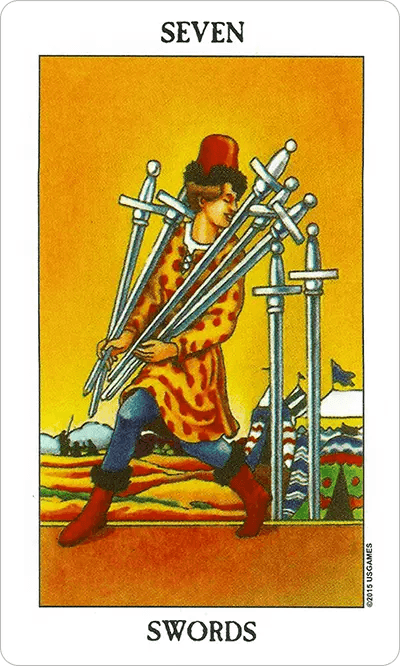
Seven of Swords
Deception, strategy, stealth
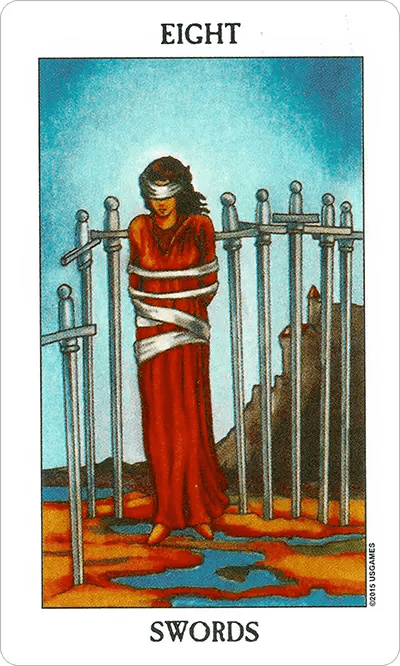
Eight of Swords
Restriction, victimhood, trapped
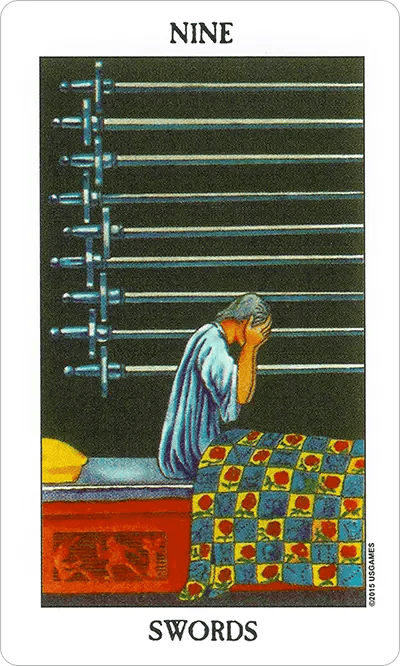
Nine of Swords
Anxiety, nightmares, worry
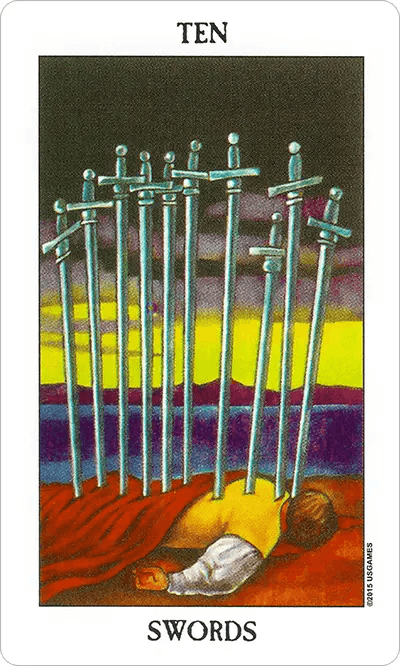
Ten of Swords
Ending, defeat, rock bottom
Page of Swords
Curious, vigilant, talkative researcher
Knight of Swords
Ambitious, direct, fast-thinking warrior
Queen of Swords
Independent, perceptive, honest truth-teller
King of Swords
Intellectual, authoritative, ethical strategist
Frequently Asked Questions
What does the Suit of Swords represent in tarot?
Air element, the mind, decisions, communication, and conflict. Swords cards appear when thinking, speaking, or the consequences of words are the primary force in a situation.
Are Swords cards always negative?
No, but they're honest about difficulty. The Ace brings clarity; the Six brings relief; the Four brings rest. The suit doesn't create problems — it names what's already present.
What does it mean to get mostly Swords in a reading?
The situation is primarily mental or involves conflict and communication. The real territory is how thinking and words are shaping events — not just circumstances or feelings.
Which Swords cards are considered positive?
Ace (mental clarity and breakthrough), Four (rest after struggle), Six (moving toward calmer ground). Even difficult Swords cards often point toward necessary resolution.
What does a reversed Swords card mean?
Usually blocked, internalized, or distorted mental energy. A reversed Eight might mean slowly escaping mental entrapment; reversed Three might mean grief being processed rather than acute.
Why does the Swords suit seem darker than other suits?
Because it deals with the mind's full range, including anxiety, conflict, loss, and difficult truths. The suit isn't pessimistic — it's precise. It reflects what's actually happening rather than what we'd prefer to believe.